
The Bike that Takes You beyond the Asphalt
A mountain bike is much more than a means of transportation. It’s the key to getting off the beaten path, venturing into hidden trails, connecting with nature, and testing your limits. Whether you’re looking for leisurely routes or pulse-pounding descents, there’s a model designed for you. The challenge is knowing which one to choose.
What Defines a Mountain Bike
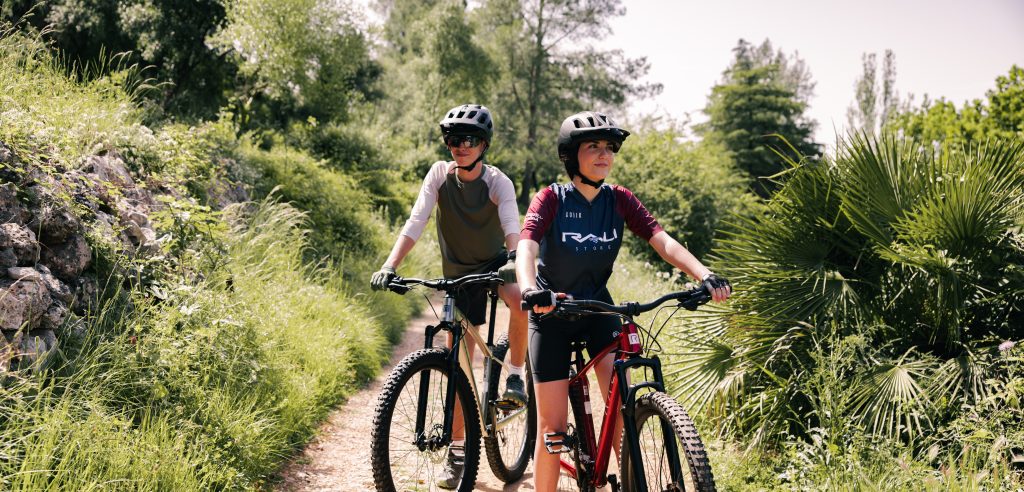
The essence of an MTB lies in its ability to adapt to unpredictable terrain. It is recognized by its wide tires, which offer traction on dirt and rock; by the suspension, which absorbs impacts and maintains control; by a wide handlebar that provides stability on technical descents; and by a geometry designed to balance agility and confidence. All of this translates into a versatile machine, ready to take you further than you imagine.
The MTB Riding Experience
Getting on a mountain bike is not just playing sports: it is entering a different state of mind. Each trail demands concentration, each obstacle awakens reflexes, and each climb demands resistance. In return, it offers sensations that few sports can match: the adrenaline of a descent, the calm of a silent forest, or the satisfaction of conquering a summit with your own legs.
Types of Mountain Bikes
The world of MTB is wide and diverse. Not all bikes are suitable for the same thing, and that’s the secret to choosing well.
Trail bikes are the most versatile. They feel comfortable on varied routes and balance the ability to climb with the fun of descending. They are the ideal option for those who want a bike that does it all.
If you are attracted to speed and efficiency, cross country (XC) bikes are designed for you. Light, reactive and optimized for pedaling for hours, they are the choice of those looking for performance in long distances and competitions.
At the opposite extreme are downhill (DH) bikes, designed for a single objective: to descend as quickly as possible on extreme slopes. Their long-travel suspension and aggressive geometry make them unstoppable, although in return they sacrifice comfort on climbs.
Between both worlds we find enduro bikes, authentic all-terrain vehicles for cyclists who enjoy both climbing mountains and launching themselves down technical descents. Their generous suspension and robustness make them reliable companions for those looking for excitement on every ride.
And, of course, there is the universe of e-MTBs, which add an electric motor to the equation. They don’t replace the effort, but they multiply the possibilities: more kilometers, more elevation gain, more fun.
Geometry and Size: the Perfect Fit
A bicycle is not only measured by its components, but by how it adapts to you. The geometry determines the character of the bike: a more relaxed head angle provides stability on fast descents, while a more closed one favors agility on technical climbs. The seat tube, reach, and wheelbase also influence how it feels when riding.
Size is another key factor. A bike that is too big or too small can ruin the experience and cause discomfort. That is why it is essential to consult the size guides of each brand and, whenever possible, test the model before deciding.
Suspension: the Key to Comfort and Control
Suspension is one of the elements that most differentiate mountain bikes. A rigid one, with only a front fork, is lighter and more direct, perfect for XC or fast routes. A dual suspension, on the other hand, offers more comfort and control on uneven terrain, ideal for trail, enduro or downhill.
The amount of travel also marks the character of the bicycle. About 100 mm is enough for cross country, while enduro requires between 150 and 170 mm, and downhill can reach 200 mm. Choosing this aspect well is to guarantee that the bike responds just as you need it.
Components that Make a Difference
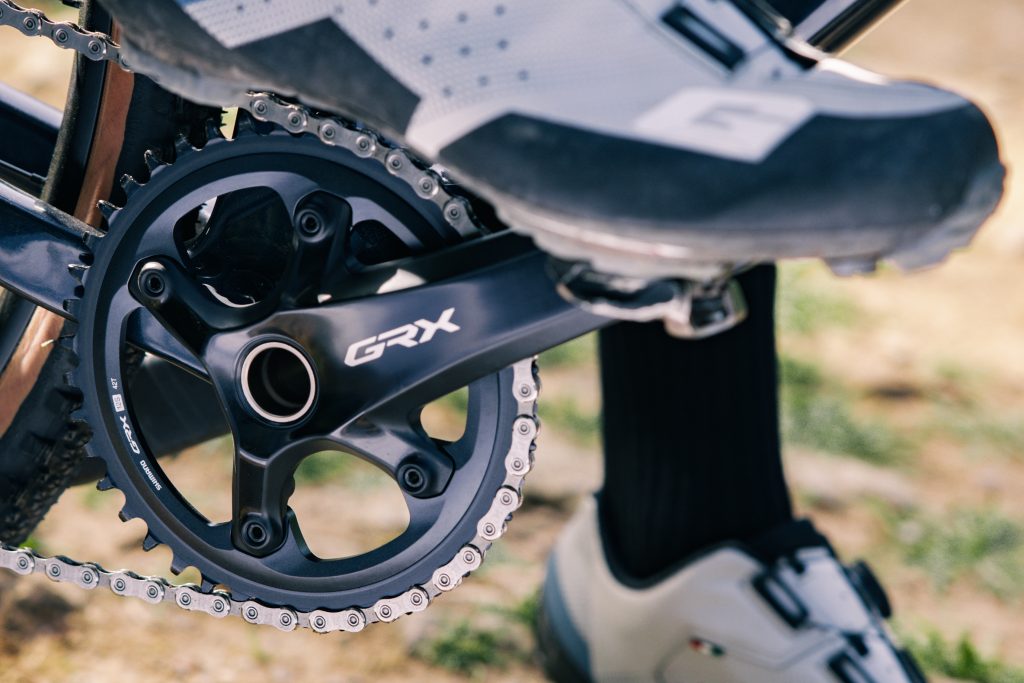
Beyond the frame and suspension, there are details that define the experience. The transmission, for example, is usually single-chainring with wide ranges of development, which simplifies pedaling and reduces the risk of breakdowns. Hydraulic disc brakes offer much greater braking power than mechanical ones, essential on long and technical descents.
The diameter of the wheels also influences. The 29″ wheels roll better, are faster and more stable, while the 27.5″ wheels provide agility and allow for more lively turns. Even the choice of tires, their width and compounds, can transform the feeling of safety and speed.
Beyond the Purchase: Maintenance and Progression
Choosing a mountain bike is just the beginning. Regular maintenance —cleaning, chain lubrication, suspension overhaul— is what guarantees that each ride is as good as the first. And most importantly: the bike not only adapts to you, you also evolve with it. Each route improves your technique, increases your confidence and opens the door to new goals.
The Path that Starts with You
The best mountain bike is not the most expensive or the lightest. It is the one that fits your way of pedaling, the terrains you want to explore and the challenges you dream of conquering. Investing time in choosing well is investing in experiences that you will always remember.
If you want to continue delving into the world of MTB, we recommend visiting BikeRadar or discovering technical resources in Cycling Weekly.